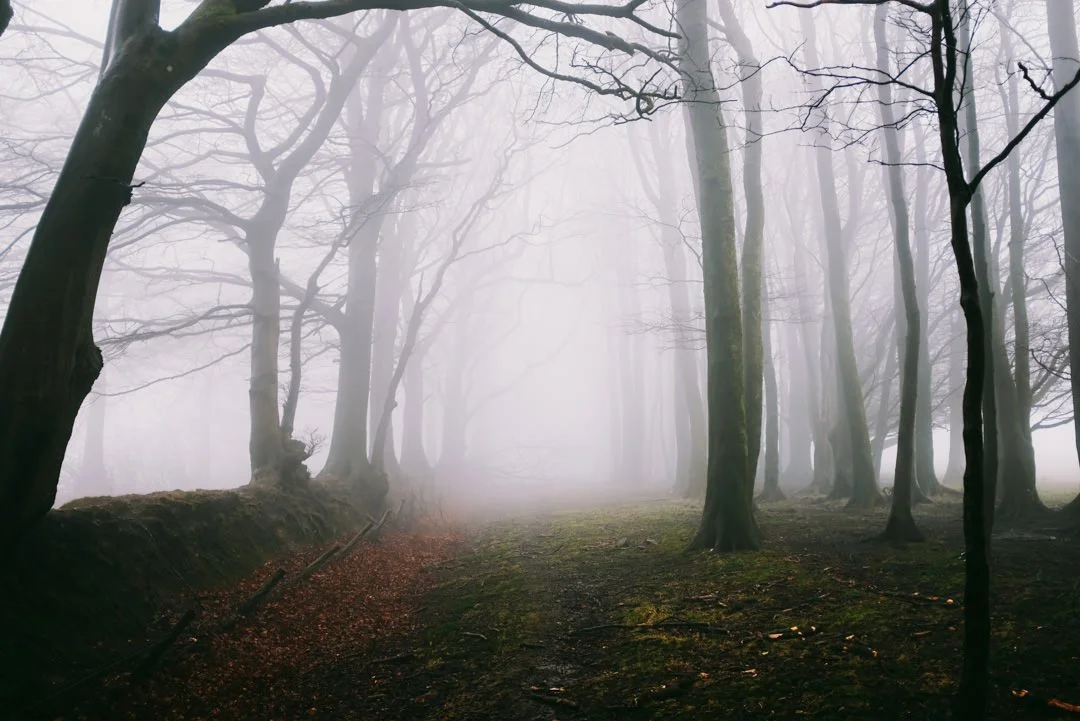
Fuji x100f hands on. Quantock Hills, Somerset.

Why I chose the Fuji X100F
After eight months of shooting and developing film, I decided to dip back into digital photography—for the convenience, speed, and cost savings. The Fuji X100F had been on my radar for a while, and it felt like the perfect fit. I visited London Camera Exchange in Taunton, traded in some old gear, and picked one up.The Fuji X100F is known for its compact body, fixed 23mm lens, and beautiful in-camera film simulations. It seemed like the ideal digital companion to my film kit—easy to carry and quick to shoot with, without sacrificing quality. This cameras size is perfect as you slip this into a coat pocket easily, and at 469g in weight you barely know it’s there. When shooting film there is either the risk of running out on the day so this camera would be great for backing up each shot taken keeps things feeling safe.
*I would like to mention this is not a full or in depth review but an initial hands on experience with the Fuji X100F camera with some photo samples.



Jpeg & RAW.
When we arrived to the top of the Quantock Hills in Somerset, we didn’t expect to be greeted by fog and a surface covered in light snow, this made the day more enjoyable. When taking photos I shot everything in JPEG - Fine, as I wanted see how this camera could make life easier with less editing giving me more time to enjoy taking photos. One of the main reasons I chose the Fuji X100F was for its colour science—those classic Fuji tones, especially the greens and ornages as they are stunning straight out of camera. For me getting skin tones correct as sampled in the image below. I only made light edits: a subtle tone curve, slight shadow and highlight adjustments, and a hint of vibrance. Shooting RAW you will get 24.3 MP. The APS-C X-Trans CMOS III sensor is perfect for those trips away with friends and holidays.


What I like about this camera.
The camera has a fixed 23mm lens at f2 gives a classic 35mm full-frame equivalent look, the lens was very sharp kept up with nearly every shot, even though we where in a low contrast environment. A new feature I had never seen up until using a camera like this is the Hybrid OVF/EVF viewfinder. Being able to switch between digital or classic looking through viewfinder experience is wild, simply flick a small switch on the front of the camera body and it flicks over. One final point about I noticed straight away was how quiet the leaf shutter is, this mechanical shutter is nearly silent and has a maximum speed between 1/1000 and 1/4000. You can choose this or its electronic shutter, or have the camera automatically choose which it thinks is most appropriate. Often the mechanical shutter is preferred as there can be a difference for the render of bokeh.


Some of the Fuji X100F camera specs :
Dimensions: 127 x 75 x 52 mm (5 x 2.95 x 2.05 in)
Sensor: X-Trans III (24 MP, 6000 x 4000)
ISO: 200-12800 (expands to 100-51200)
Image format: JPG, RAW
Autofocus: Contrast Detect, Phase Detect, Multi-area, Center, Selective Single-Point, Face Detection
Manual focus: Yes
Shutter Speed: 30 sec –1/32000
Image Stabilization: No
Focal Length: 35mm
Aperture: f/2-f/16
Minimum Focus Distance: 10 cm (3.94 in)
Built-in Flash: Yes
Hot Shoe: Yes
Video Format: H.264 (1920x1080, 24p - 60p)
Storage Types: SD/SDHC/SDXC
Wireless Connectivity: Yes
Weather Sealed: No
Battery Life: ~400 frames


I shall be keeping this camera for sure.
Ive owned this camera for about a year now and sits in in my camera so well, I don’t even consider a DSLR for digital back up. The camera looks cool, has an amazing fill flash that somehow just balances exposure really well, great film simulations, fast live preview and face and eye auto-focus. I have never owned a Fuji camera until purchasing this little machine and I can see now why the brand has done so well. This year I will be taking the camera along to weddings and seeing how it works quick time and to to push the flash on the dance floor as I think its size and discreetness will be great making life easier.