Canon A-1 35mm Film SLR - With Sample Images
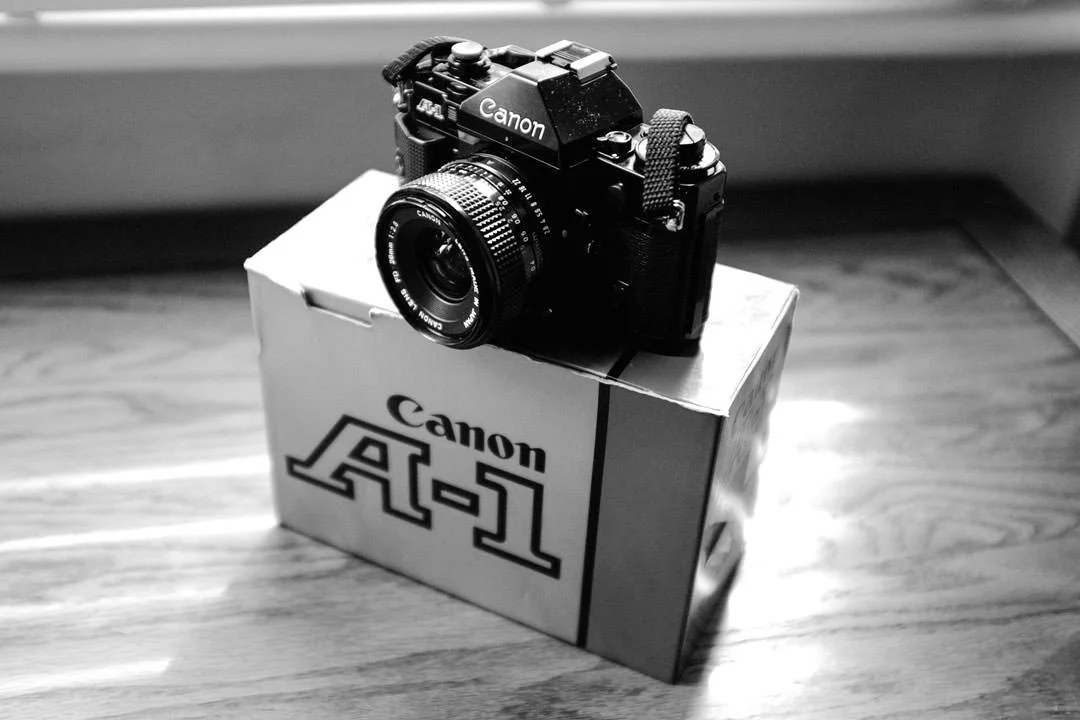
Canon A1 with original box
The Canon A-1 Film SLR
One reason I am enjoying making posts like this, is that I hope anyone wanting to see how cameras perform before possibly purchasing might find this of some use. When buying a camera ( and especially older film cameras second hand ) you feel like your are taking a massive gamble. Does it work being biggest question. The next is what images can it produce and is it fast and reliable?
Having recently bought my first ever Canon, the Canon A-1 after 10 years of being a photographer, I was actually really pleased I did and it will be my only one. This camera can be found at a good price, and the lenses are really cheap to buy, but also really good. Since getting my hands on this camera my Nikon F3 has been on the shelf…yeah thats something as I was a Nikon beginner and have always been a fan.
My aim here is go through some basics of the camera, some likes and dislikes and throw up some sample images. I managed to find my Canon A-1 on eBay, very luckily never used with box and paperwork and I paid £280.
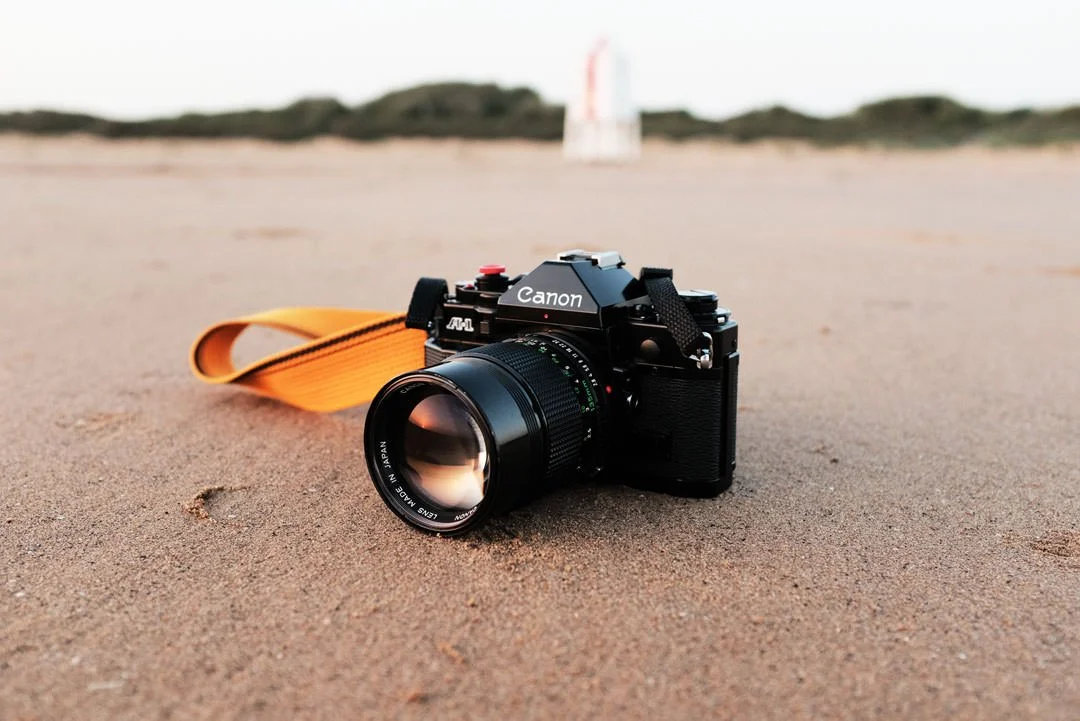
Canon A-1 taken on Fuji X100f
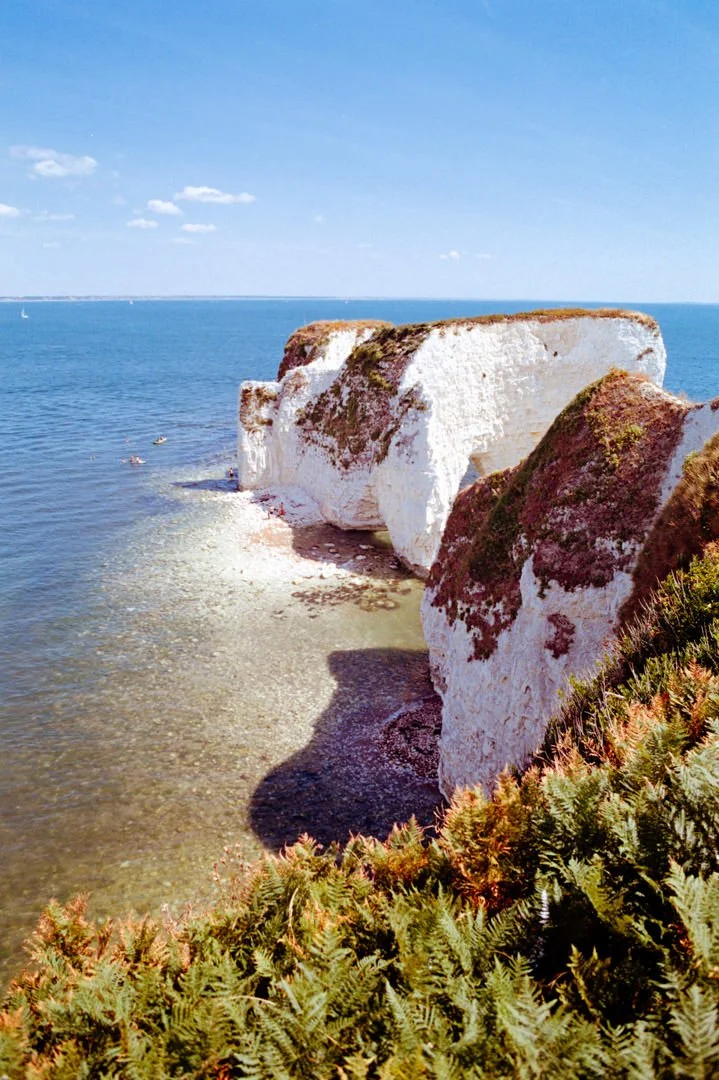
Kodak Gold 200 28mm FD lens
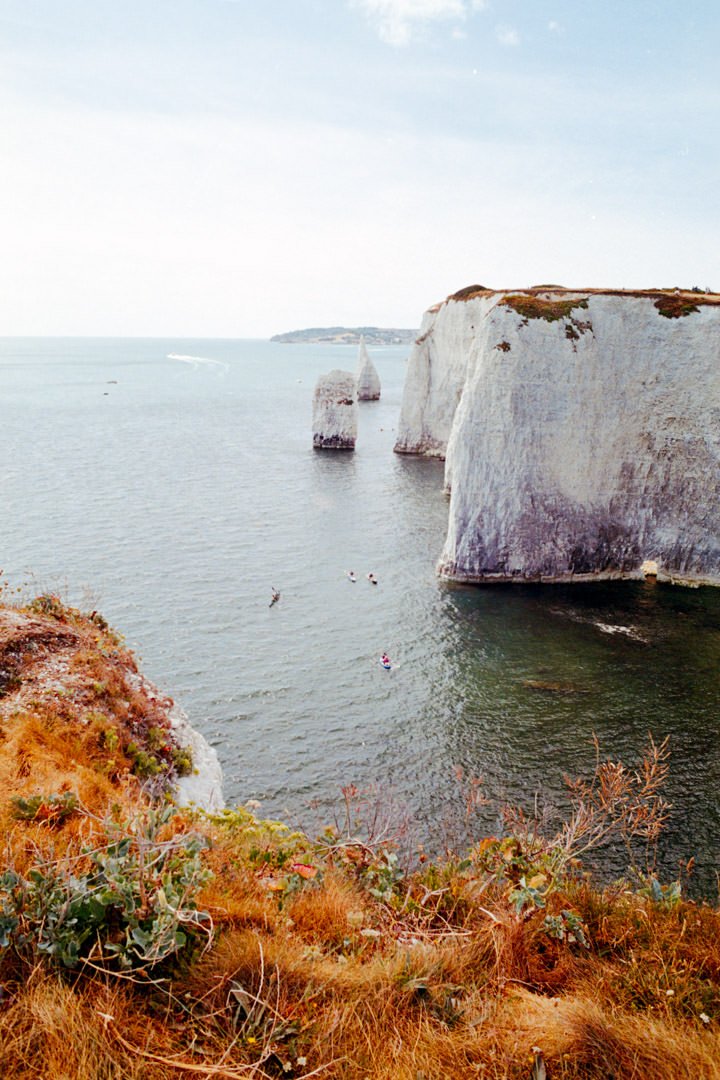
Kodak Gold 200 28mm FD lens

Kodak UltraMax
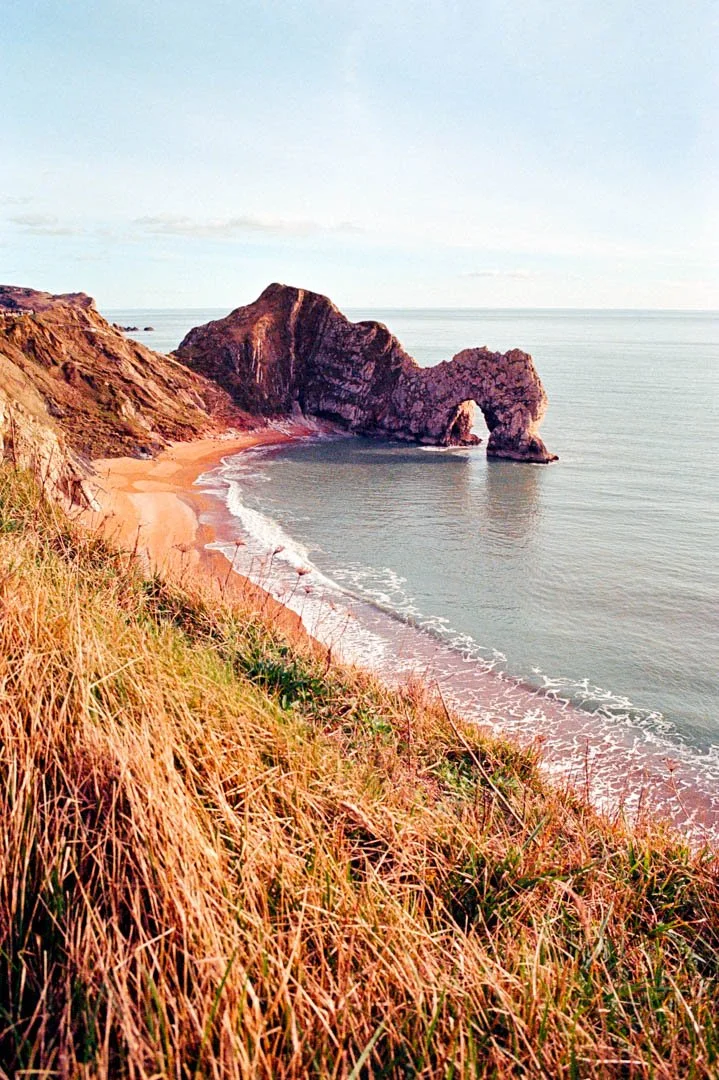
Kodak UltraMax 28mm FD Lens
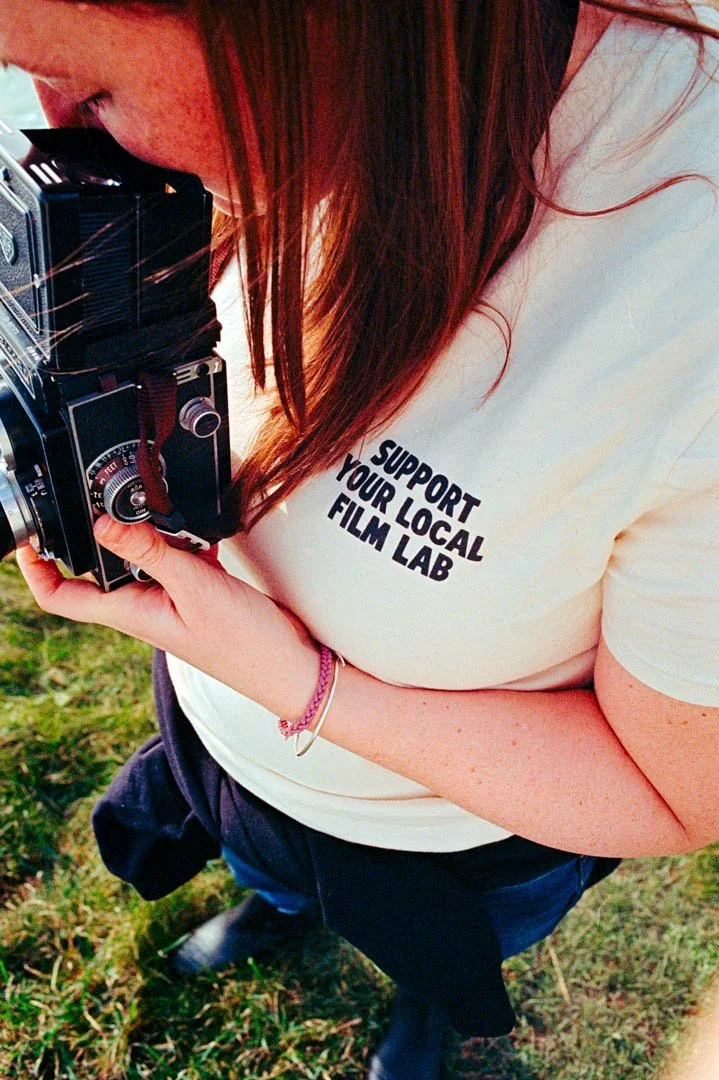
Kodak UltraMax 28mm FD Lens
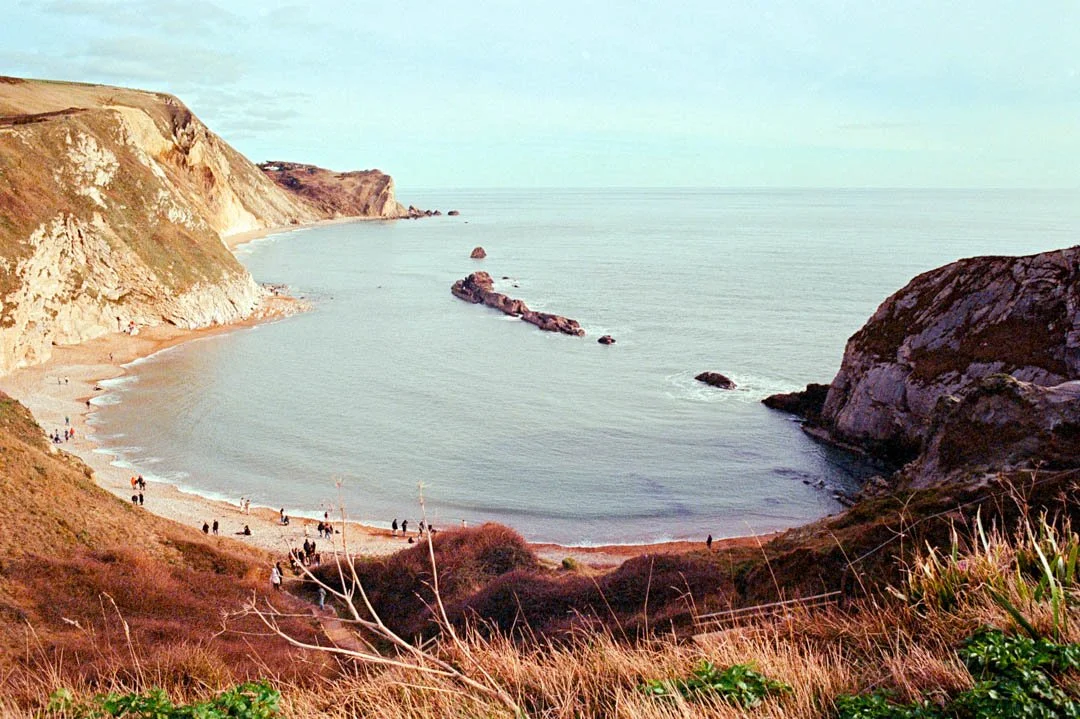
Kodak UltraMax 28mm FD Lens
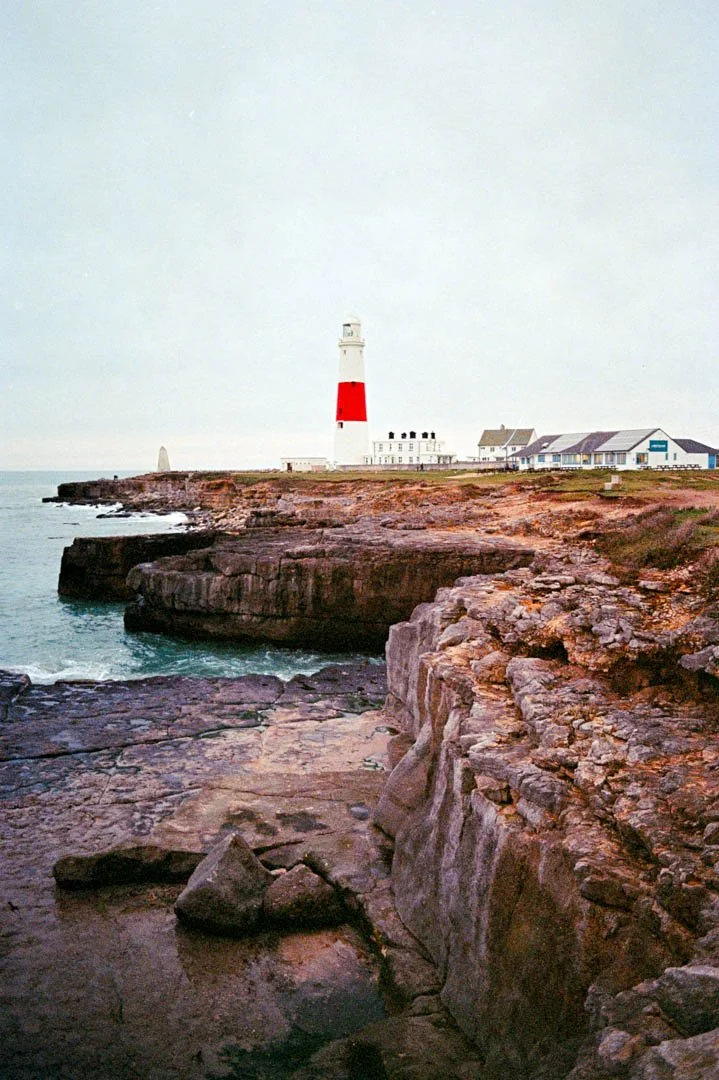
Kodak UltraMax 28mm FD Lens
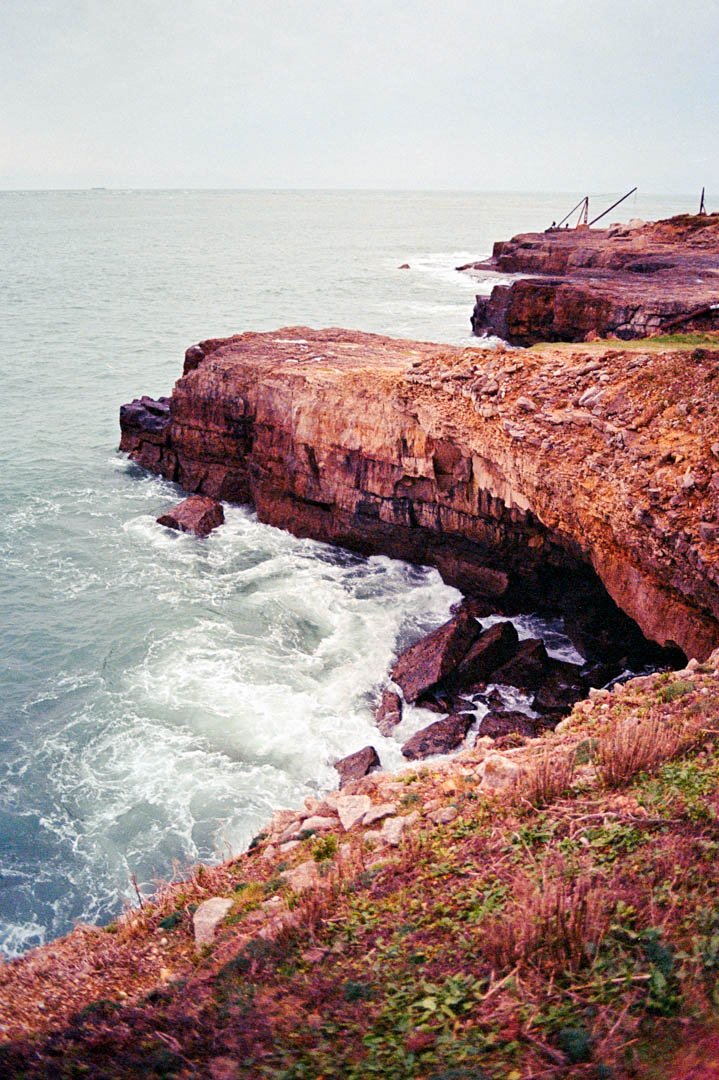
Kodak UltraMax 28mm FD Lens
My initial findings about this camera.
The camera itself is not heavy, it doesn’t feel like a tank when it’s hanging over your shoulder. It's mechanically winded however it does need an 4LR44 battery in order to shoot., without a battery it’s useless, some cameras are fully mechanical and this is not.
It has auto-exposure, aperture priority, shutter priority and manual exposure which made it a world first when it was initially produced in 1978.
One main feature this camera offers is the dial on the top, being able to switch it between aperture and shutter priority. On the FD lenses you can manually set the aperture, but there is also a notch labelled ‘A’, meaning the dial takes control and the camera works out the opposite setting. When the lens dial is set to ‘A’ you can find a ‘P’ setting on the shutter speed dial, this then makes the camera fully automatic, perfect for then you just want an easy day shooting film.
The viewfinder is big and very bright, something I noticed straightway away, making the split focusing seem effortless. You also have a switch for double exposure and a dial for exposure compensation.
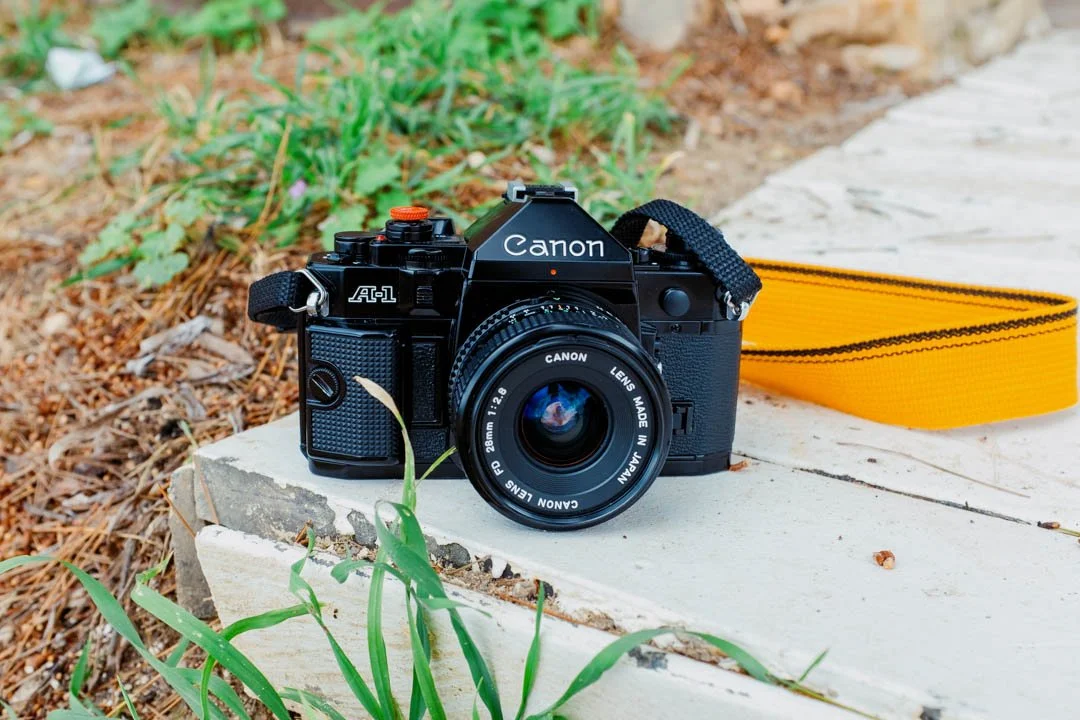
Canon A-1 taken on Fuji X100f
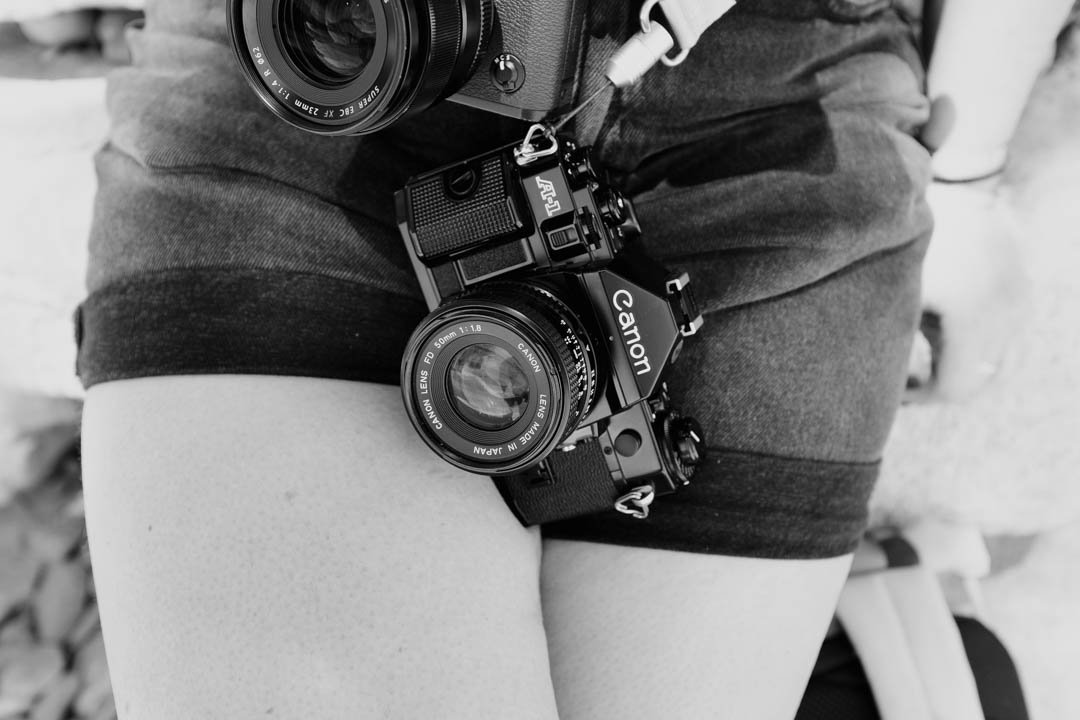
Canon A-1 film camera taken on Fuji X100f
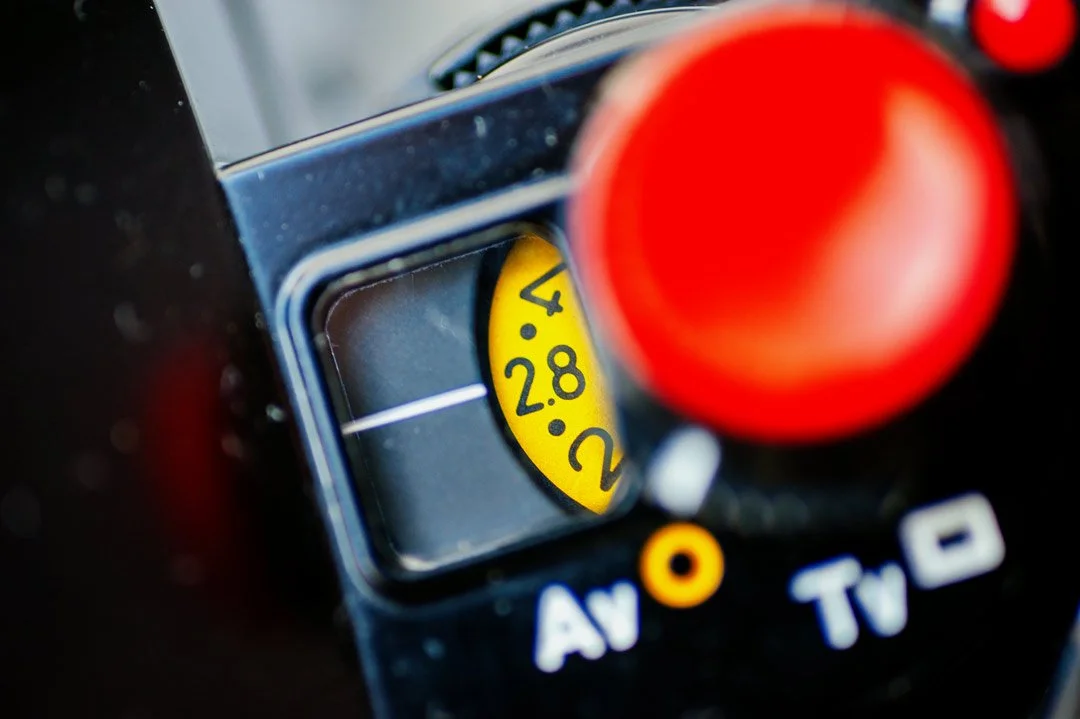
Av - Aperture mode priority
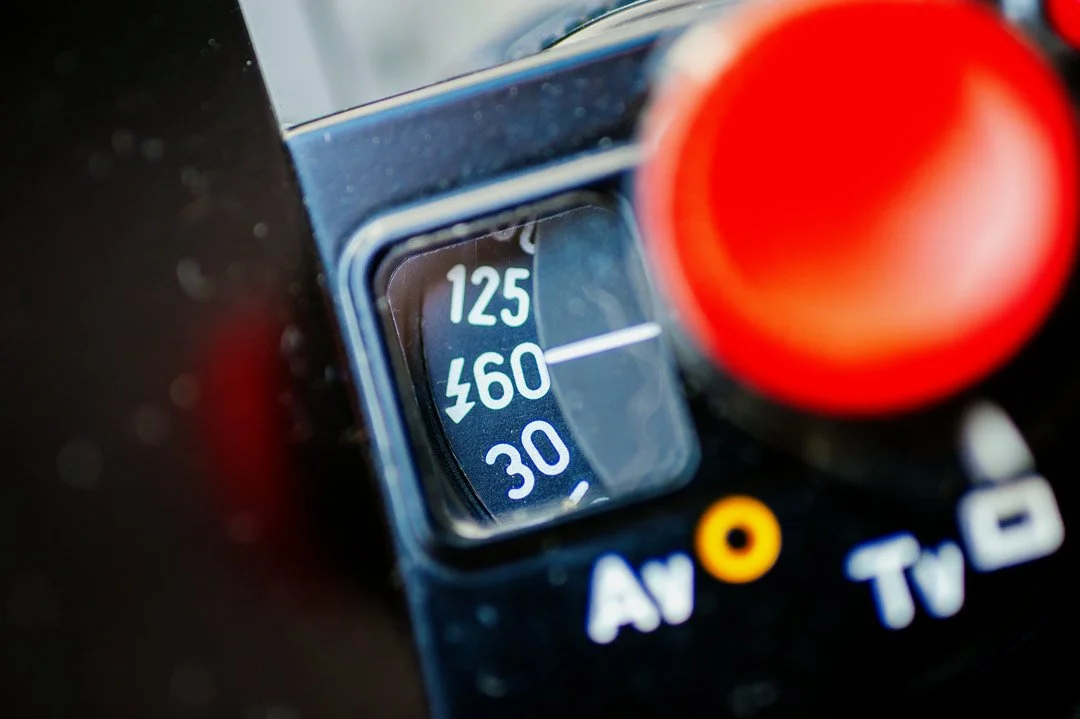
Tv - Shutter mode priority
Let’s talk about the battery, or power.
I have owned the Canon A-1 now for about 3 months now, so it is still early days, but already I have cooked two batteries. How? Its simple, the camera has a power switch on the top, and if you forget to turn it back off or ‘L’ or off, the camera will consume power while sat idle, and a battery will deplete in a day or two. Since using this camera I have had to train myself to switch it off after each shot, but i’m not sure if I have made myself paranoid. Other than that, the batteries are really cheap to buy online and easy to find, they don’t seem to be in shops. When a new battery is put inside the camera the battery light will blink really fast when holding the test button, after time the blinking will slow down.
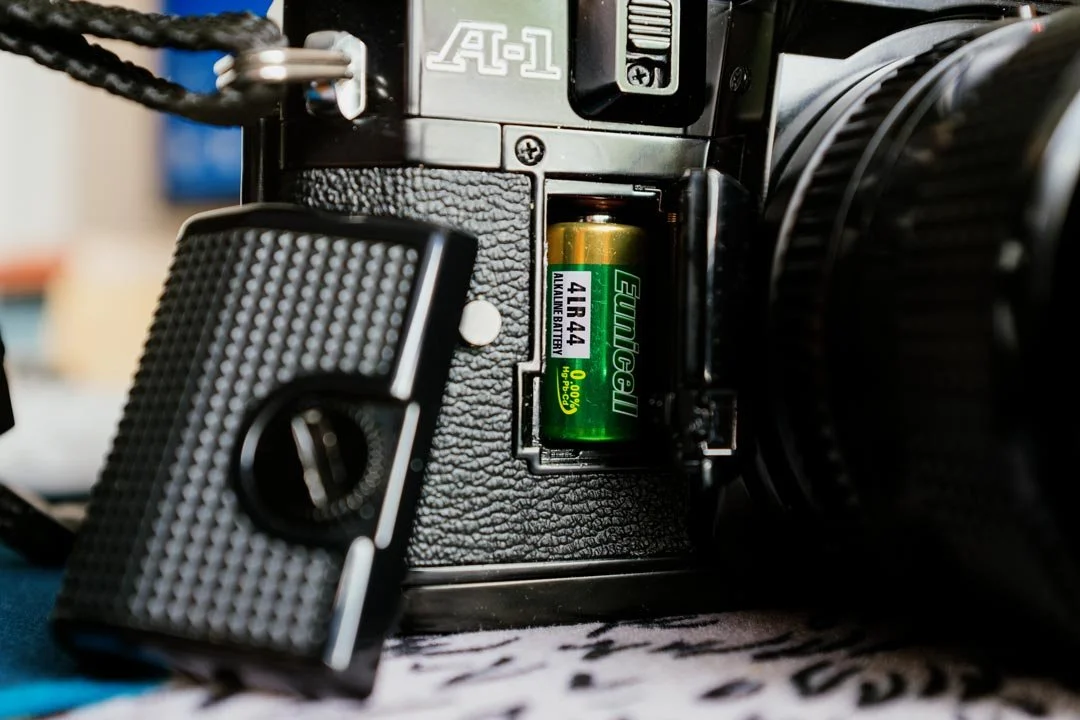
4LR44 Battery inside Canon A-1
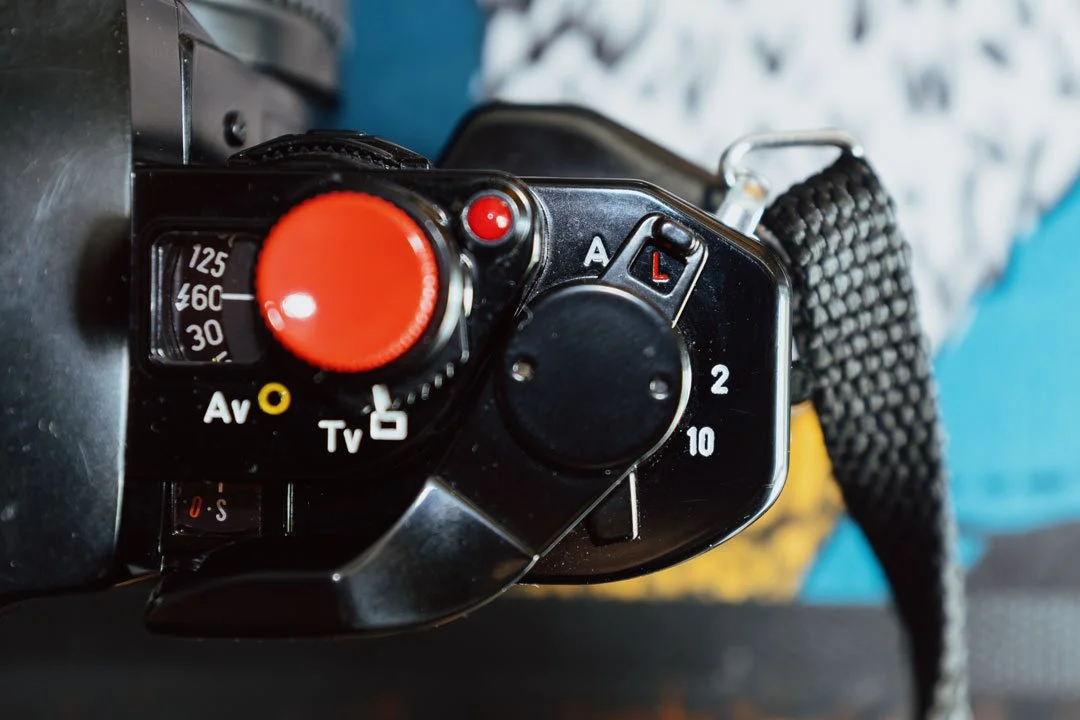
Canon A-1 power leaver.
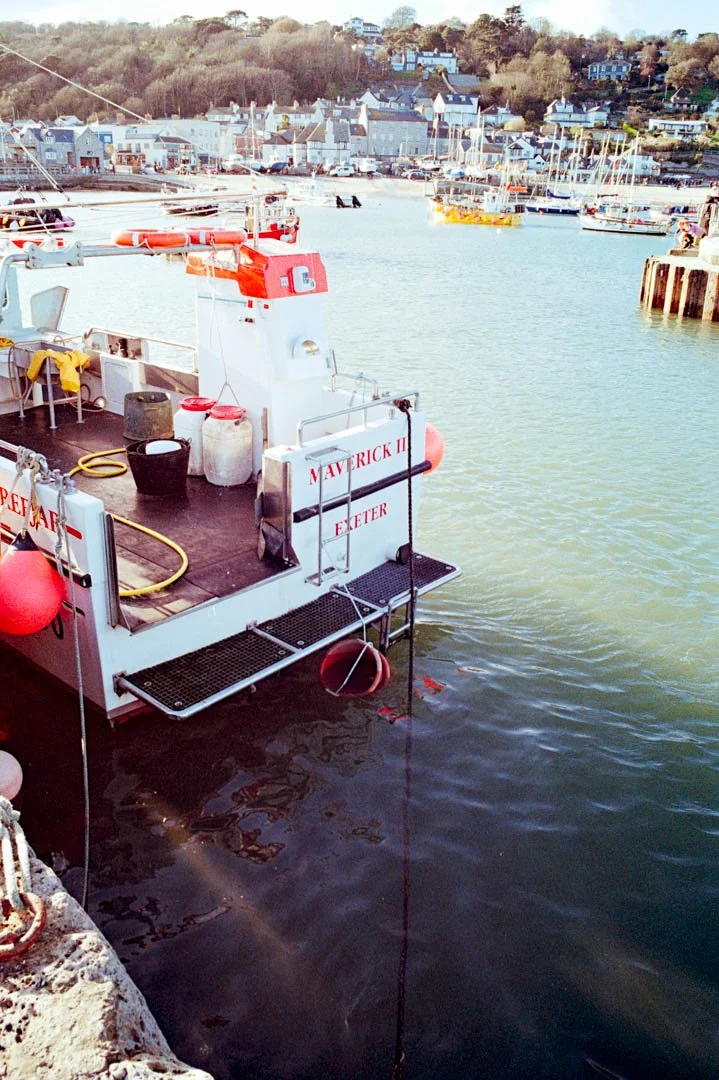
Kodak Color Plus 28mm FD Lens
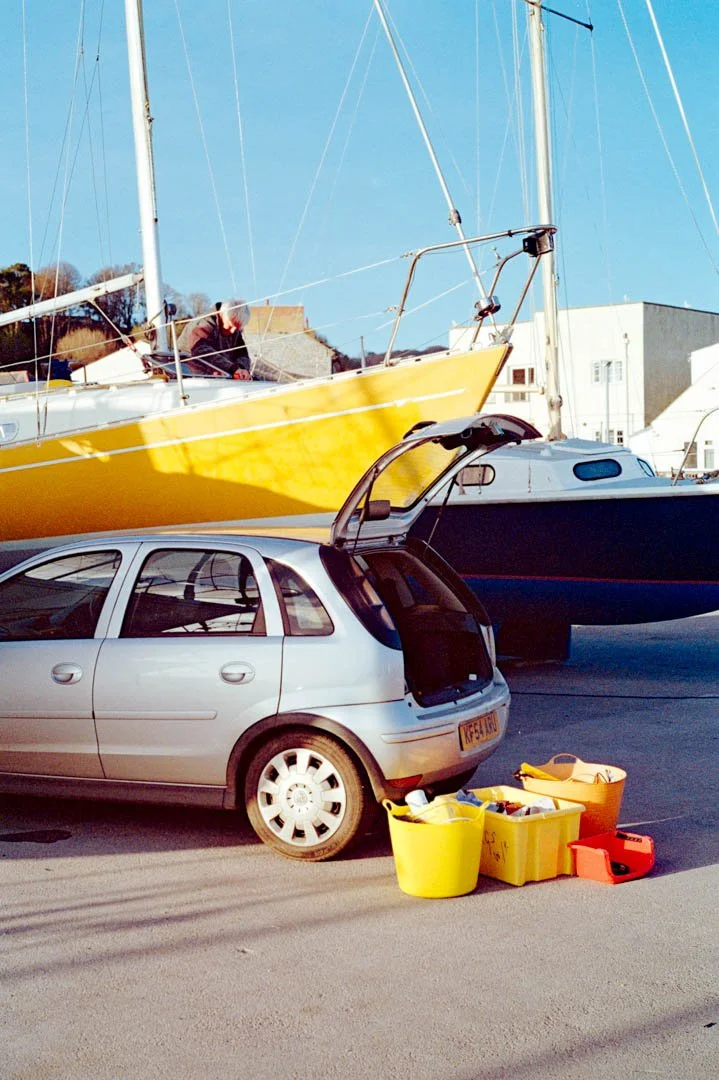
Kodak Color Plus 28mm FD Lens
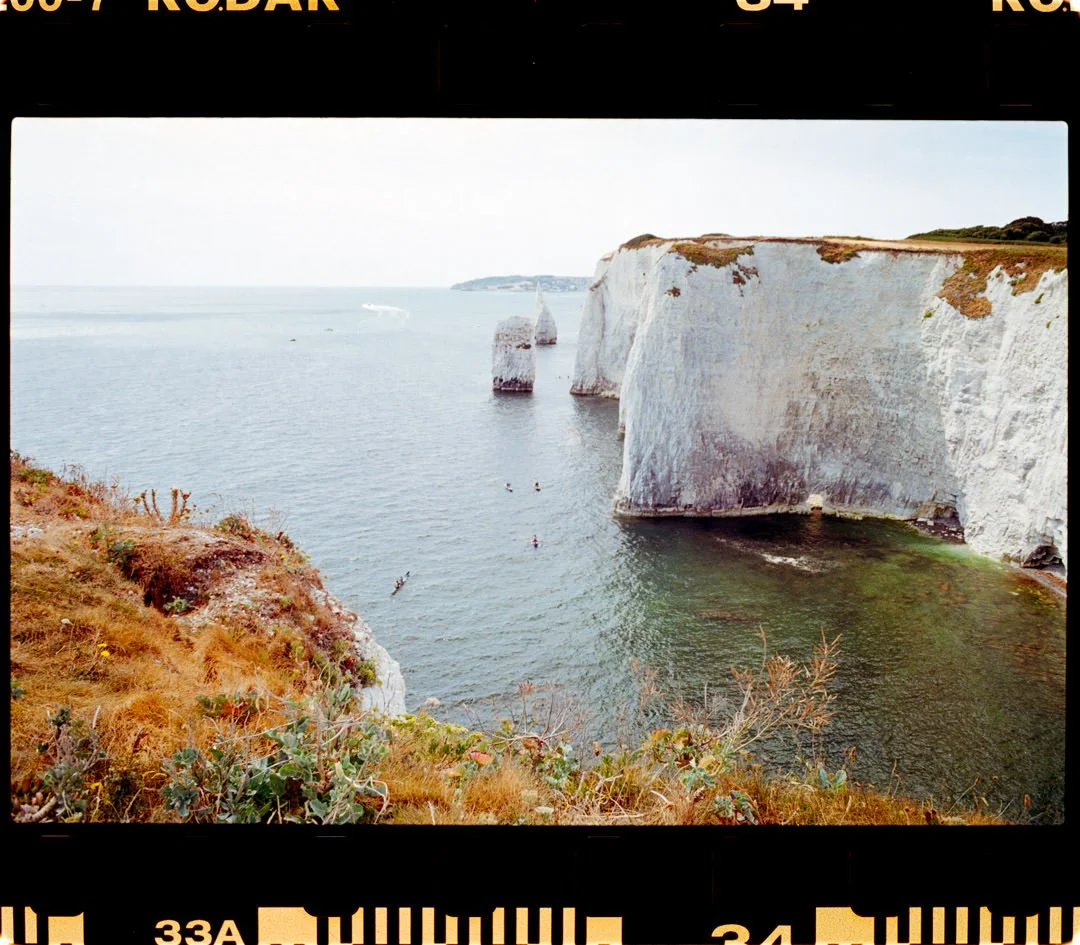
Kodak Gold 200 28mm FD lens
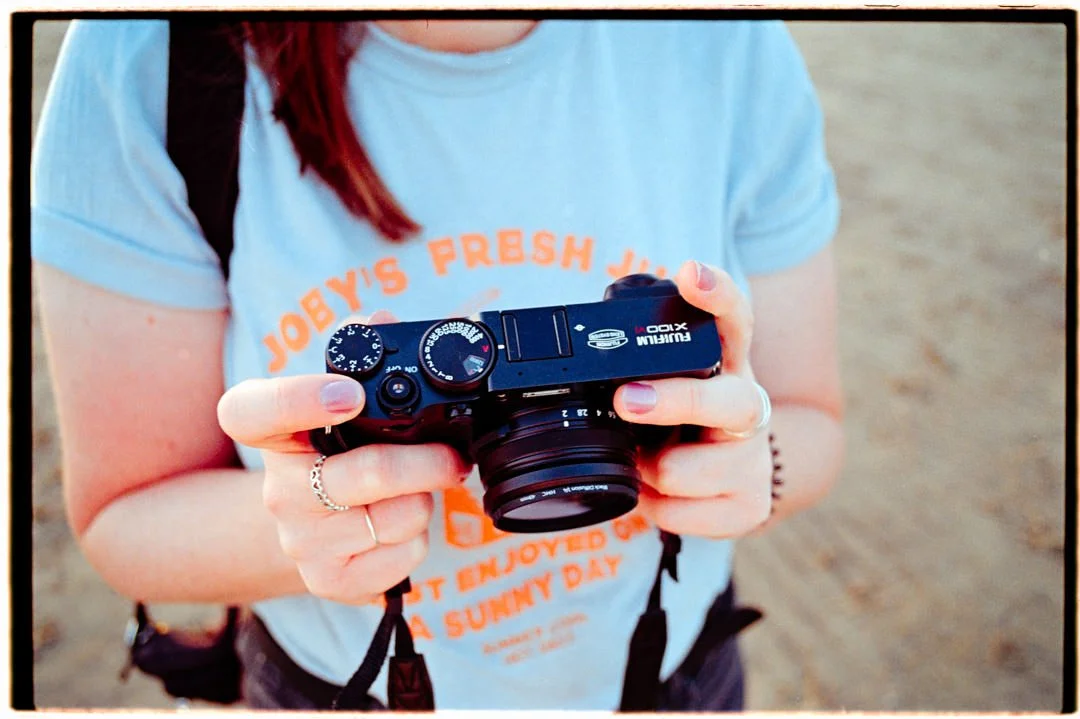
Kodak Color Plus 28mm 2.8 FD lens
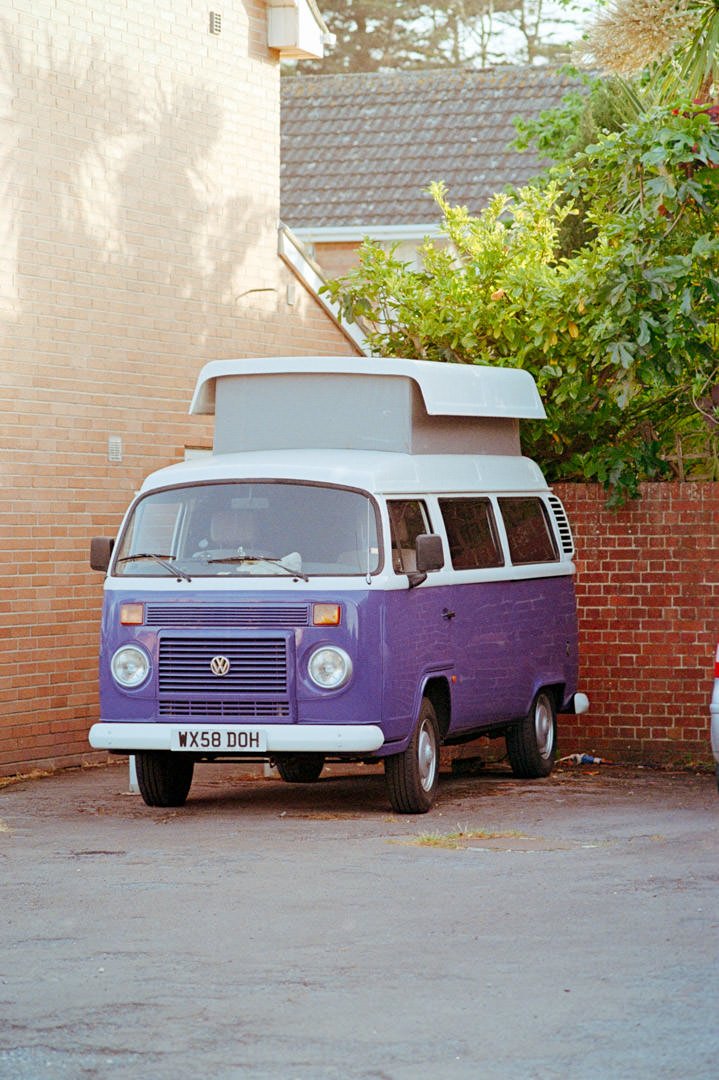
Kodak ColorPlus 200 135mm 2.8 FD lens
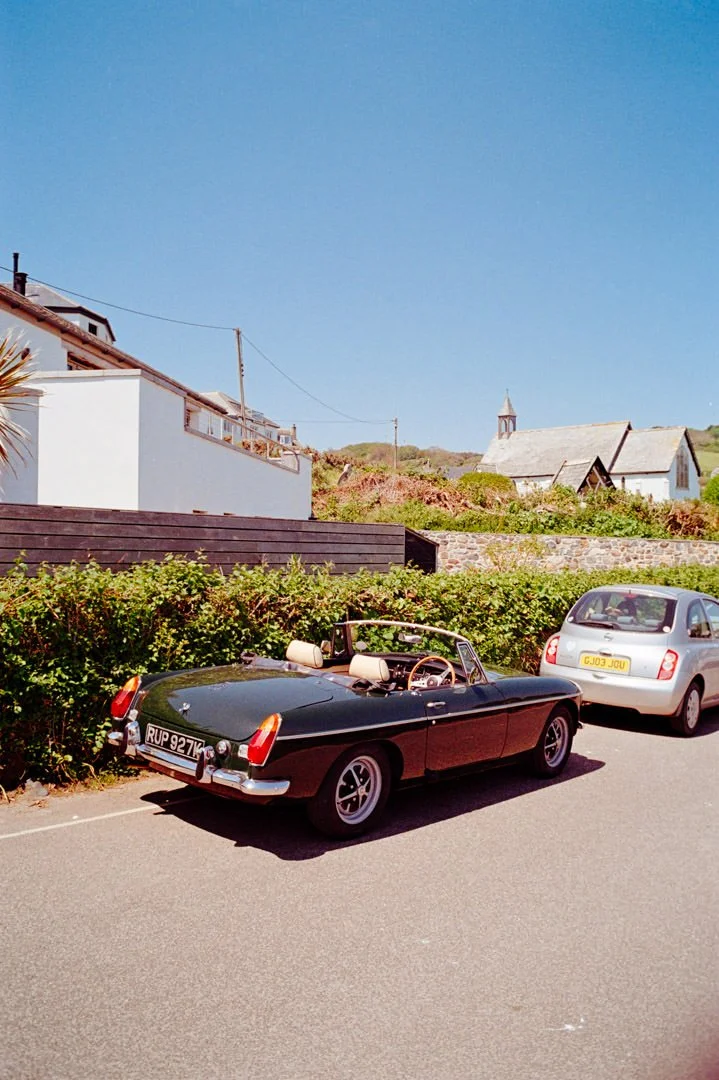
Kodak Pro Image 28mm 2.8 FD lens
Canon A-1 Specs
Mount - FD
Shutter speeds - 30s - 1/1000s
Format - 35mm
Flash Sync - 1/60
Flash - Hot shoe
Exposure - Auto, Aperture Priority, Shutter Priority & Manual
Battery - 4LR44
ISO Range - 6 - 12800
Size - 92 x 141 x 48 mm
Weight - 620g
Film advance & rewind - Manual
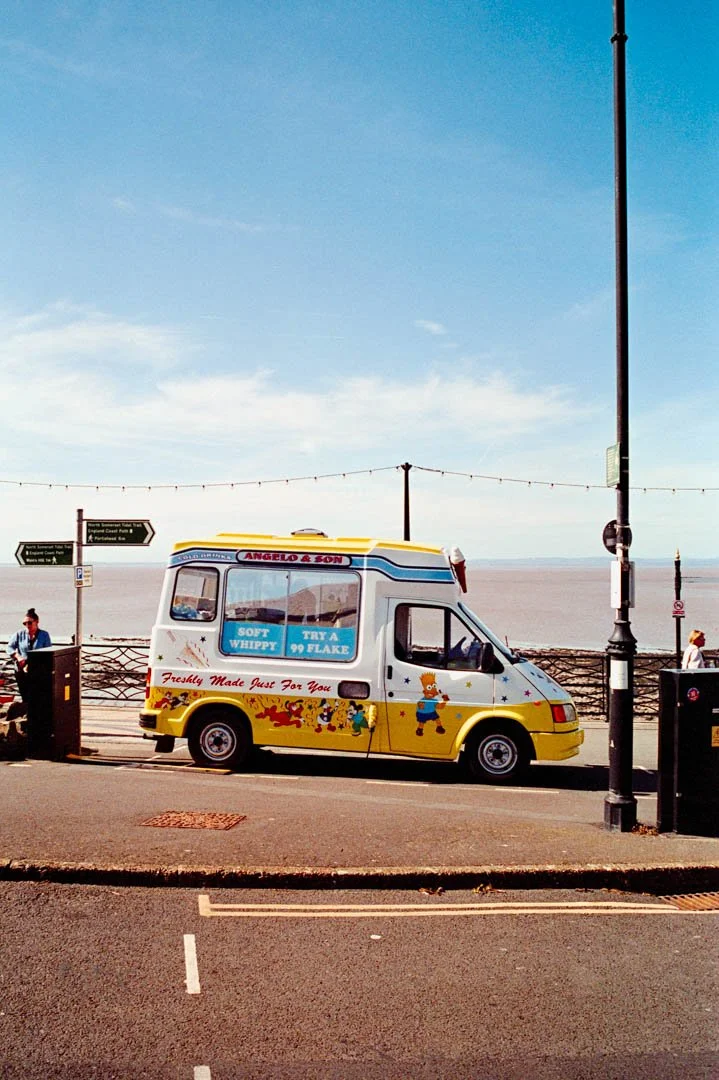
Fuji Superia 100 28mm FD lens
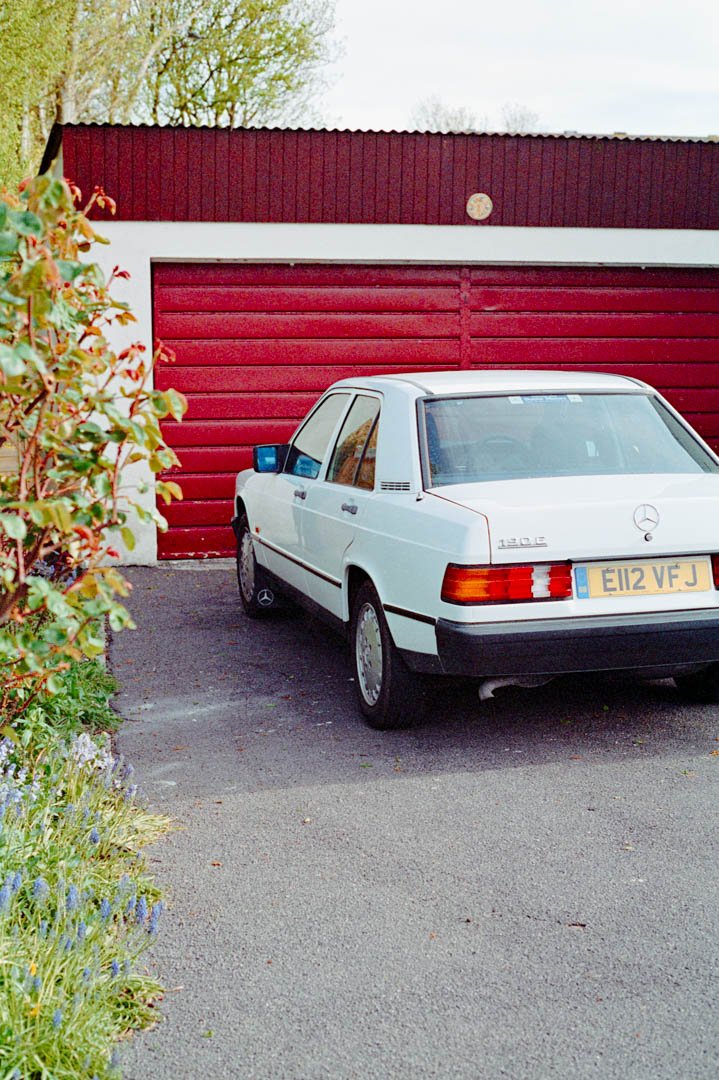
Fuji Superia 100 28mm FD lens
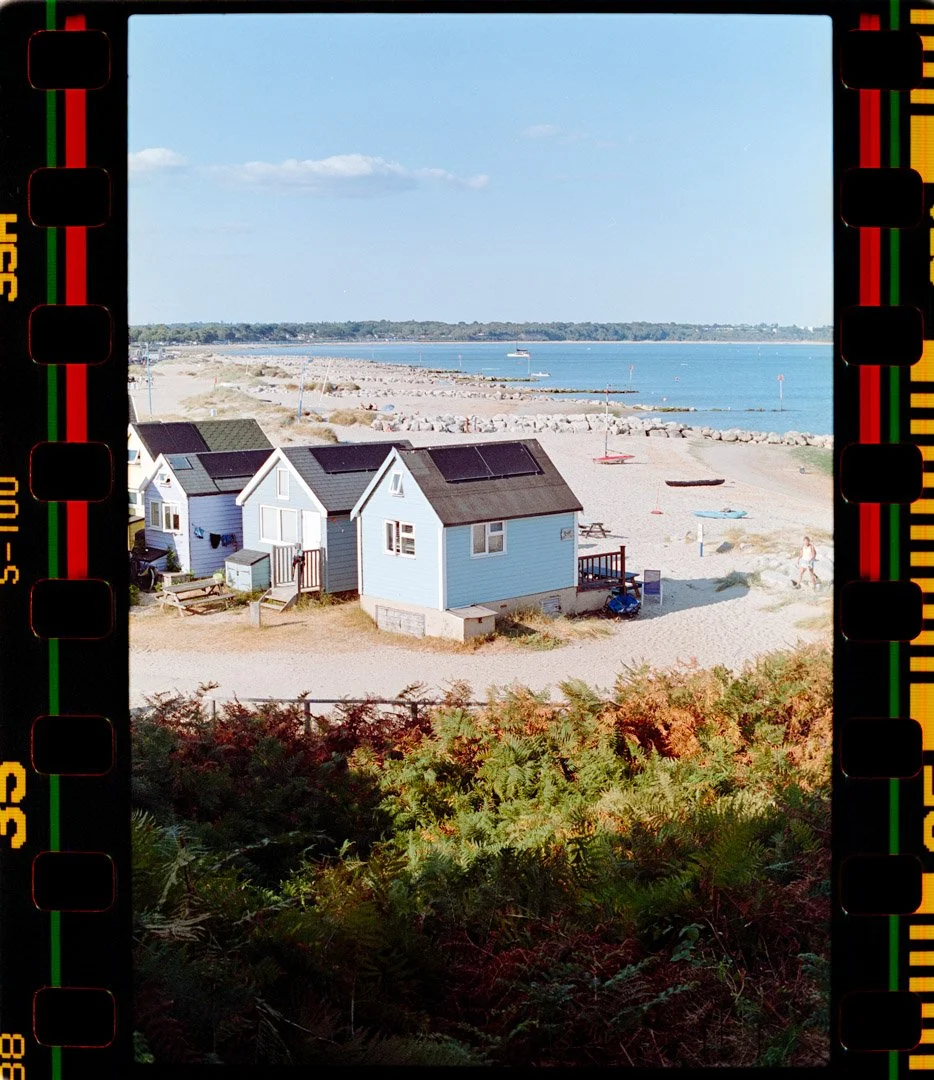
Fuji Superia 100 28mm FD lens
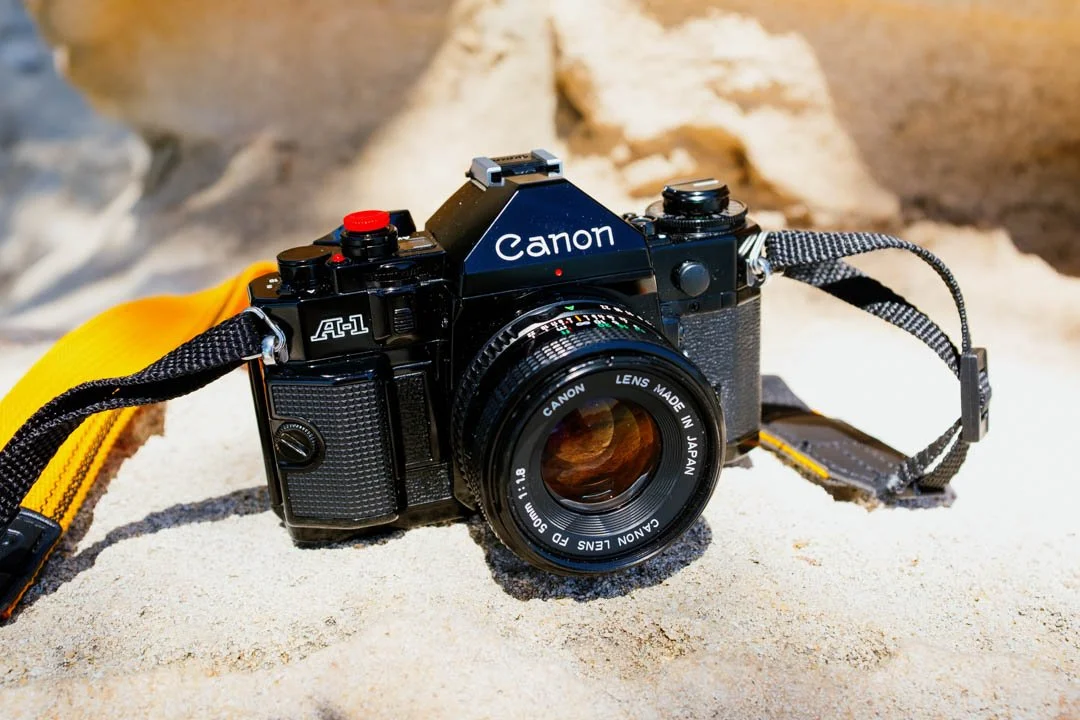
Canon A-1 film camera
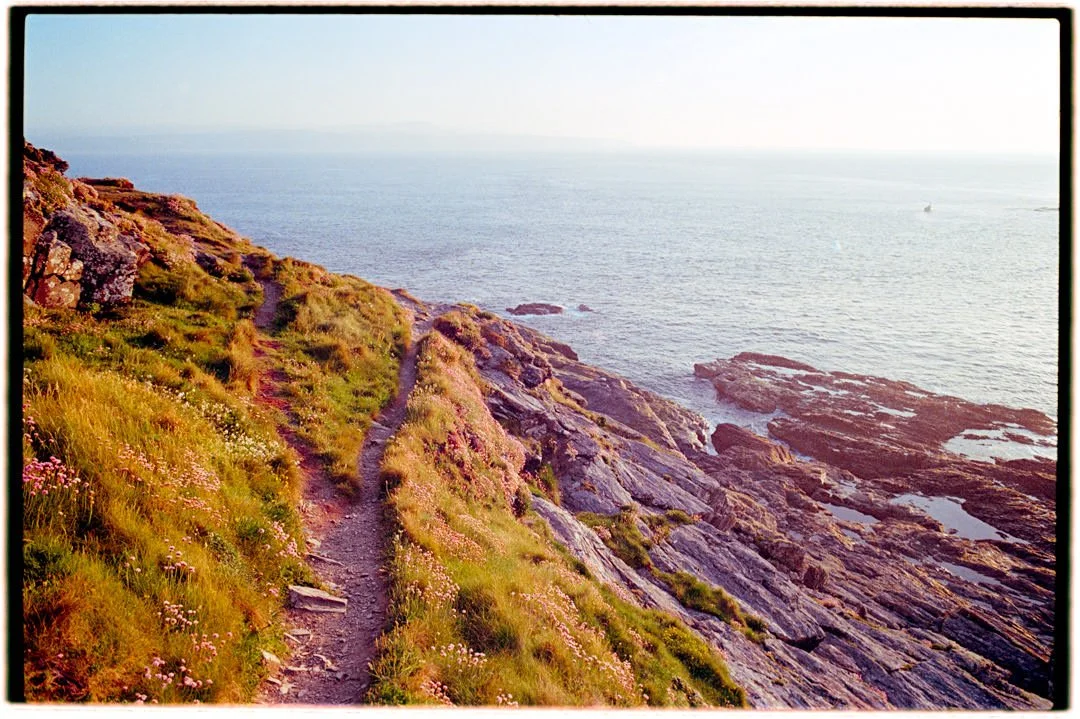
Kodak UltraMax 28mm 2.8 FD lens
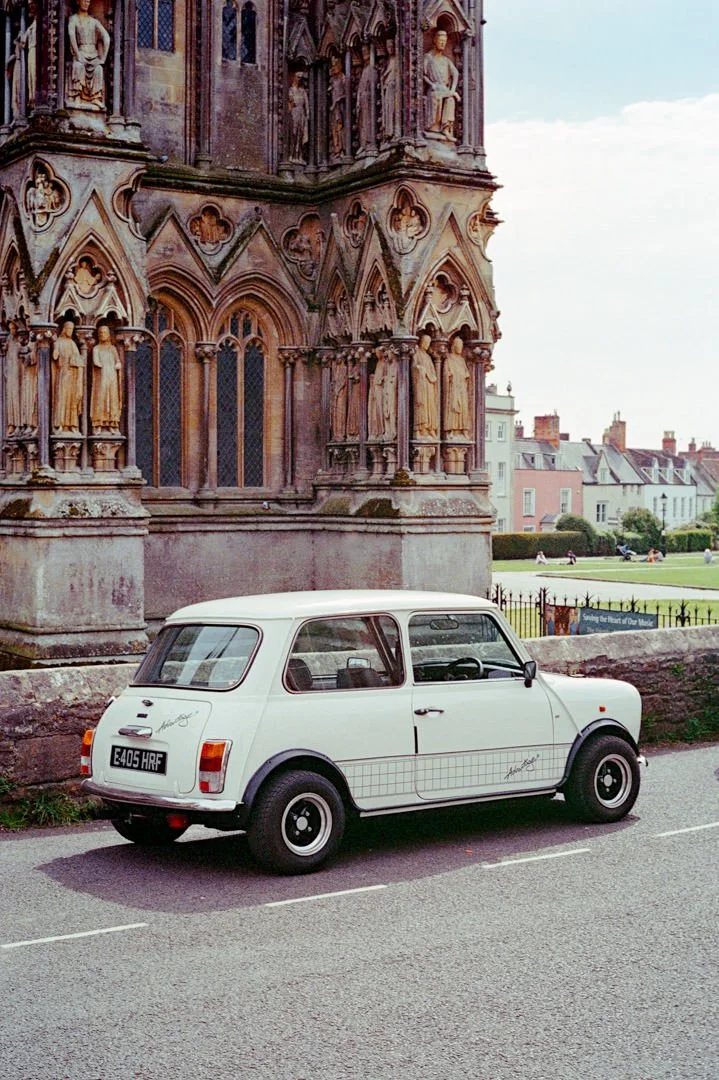
Kodak UltraMax 50mm 1.8 FD lens
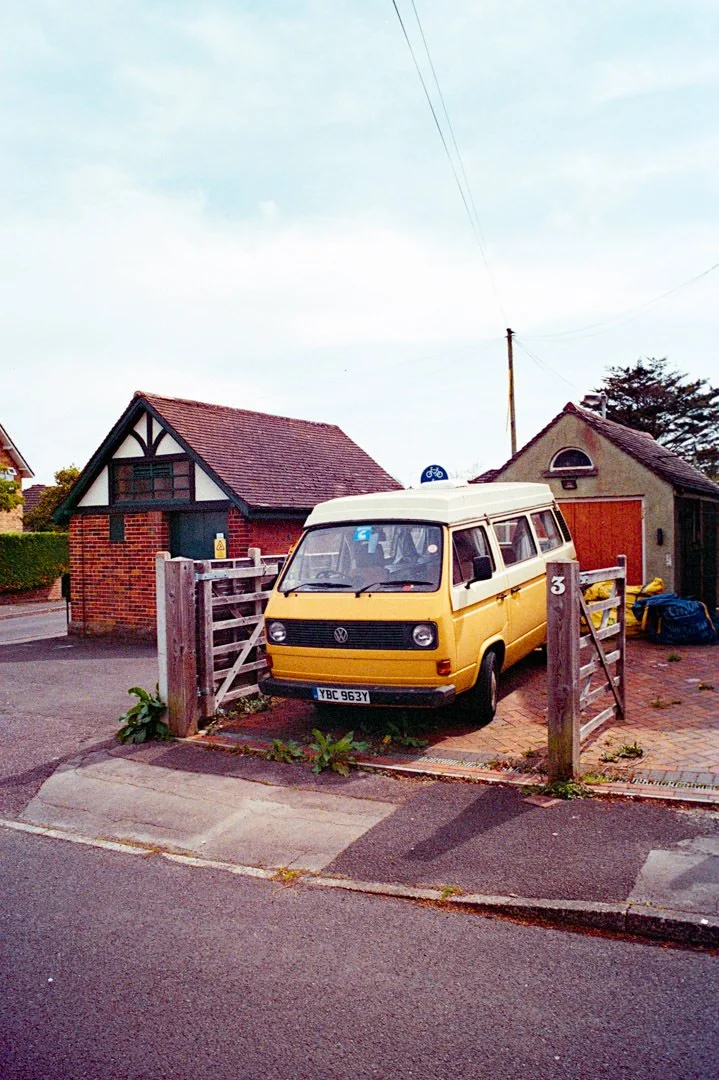
Kodak UltraMax 28mm 2.8 FD Lens
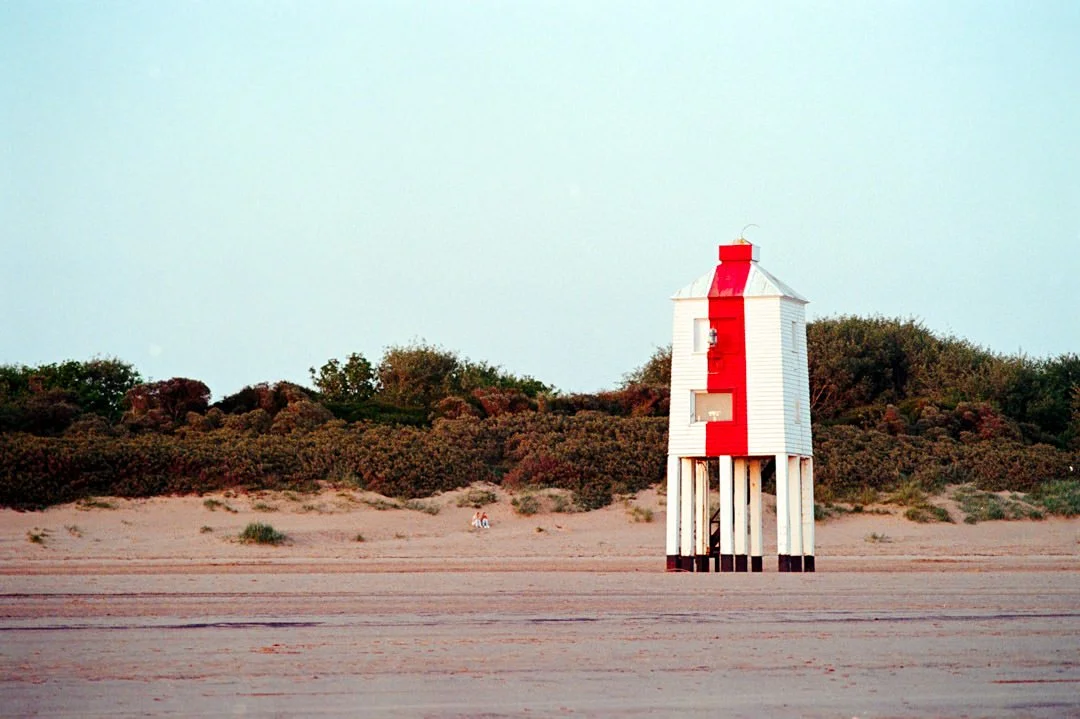
Kodak ColorPlus 200 135mm 2.8 FD lens
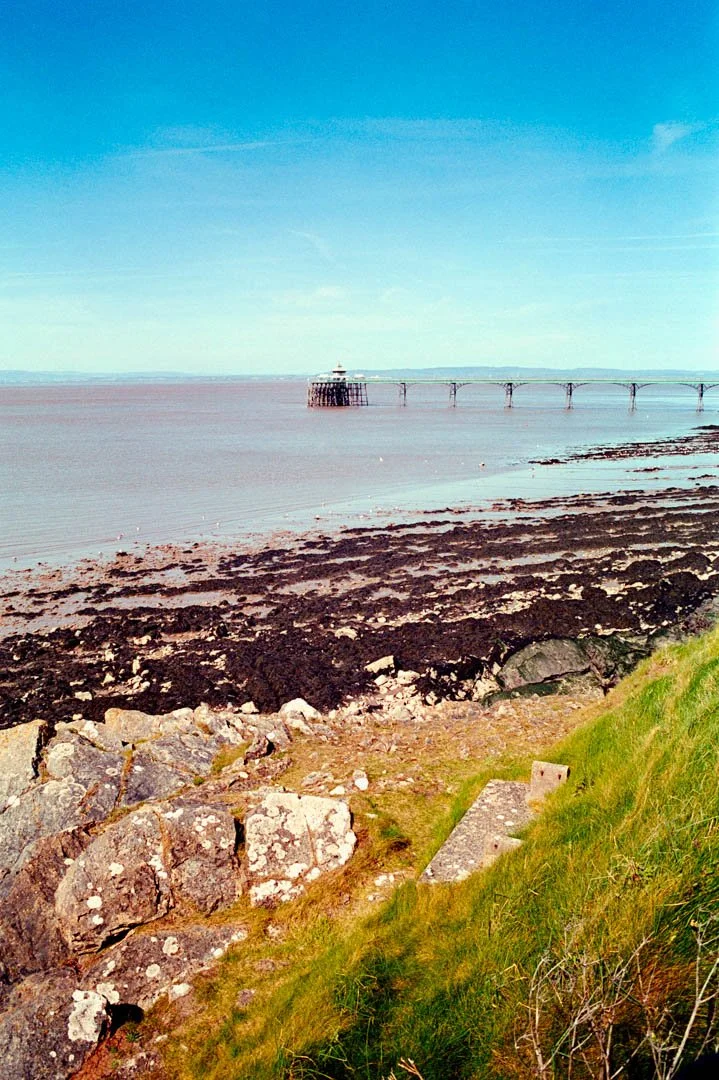
Fuji Superia 100 28mm FD lens
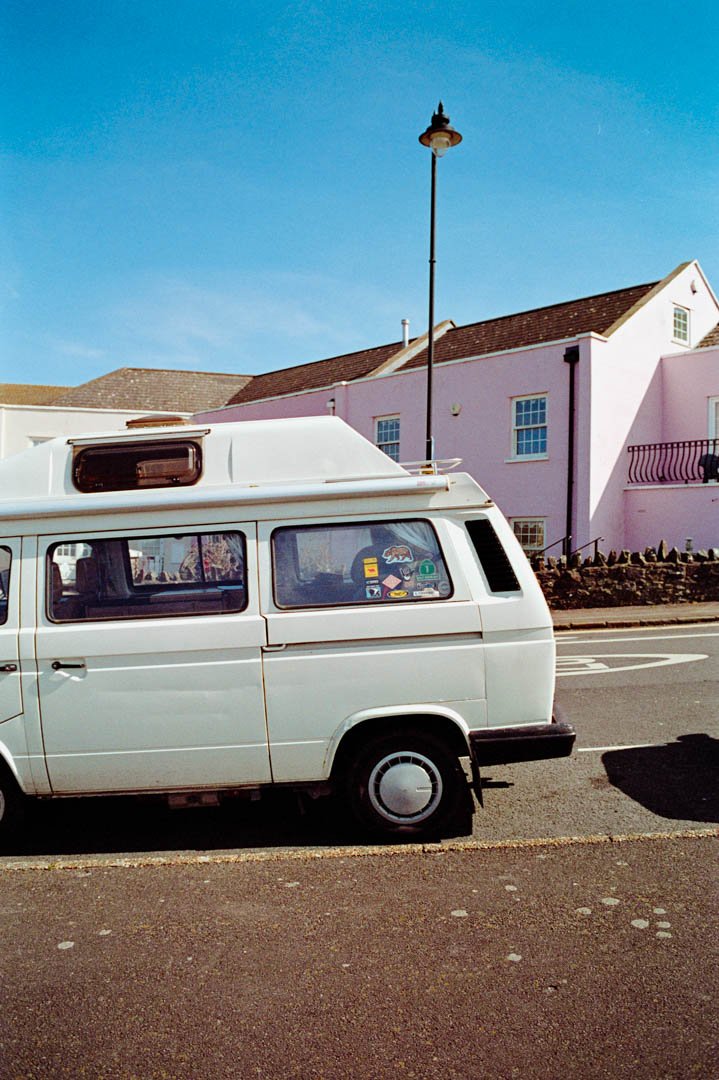
Fuji Superia 100 28mm FD lens
My likes and dislikes, so far.
Likes :
I love being able to to set this camera to fully programable if needed, and the dial on the top the camera to switch between shutter and aperture priority is really nice. Winding on each frame is smooth and quiet. There is self timer modes for 2 and 10 seconds and also a multiple exposure switch giving you some options. The battery once installed sits behind a grip that screws on with a tool such as a coin, this grip is very generous and makes you feel like you really have hold of it. You can set the ISO up 12800, perfect for taking photos of the big bang. The FD lenses are really affordable, I have since bought the 28mm 2.8 for £41. It came with a 50mm 1.8 and they can be bought for around £30. And you can also get the 50mm 1.2 FD lens, this would be a treat as Ive never had a lens that opens up past 1.4.
Dislike :
The thing that has got me with this camera is how easy it is to kill a battery and how fast it will drain a battery if left on. Like what is it doing during this time? This has given me a complexion, where I am now turning the camera off after each photo, and then when I want to take a photo quickly, the camera isn’t on. There is also a well known issue with these called ‘canon cough or canon squeak’ where overtime the gear inside that flips the shutter needs re-oiling but this can be resolved by yourself quiet easily with cheap tools and synthetic clock oil.
So, to that end, I will go out again and see if I can strike a balance. The Canon A-1 is lovely to hold and operate and takes very clean photos so this wont beat me.
If you check out my MAJORCA TRAVEL POST you’ll see loads more photos taken on this camera.
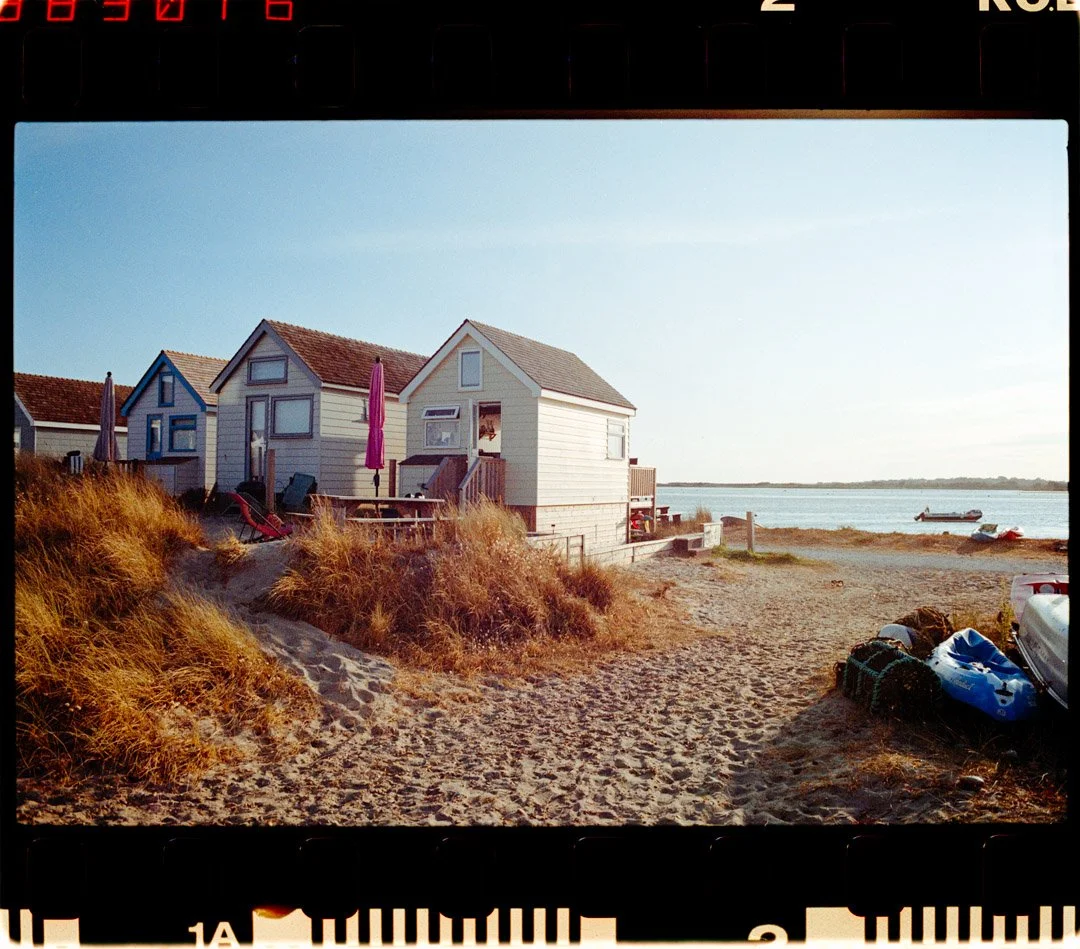
Kodak Gold 200 28mm FD lens
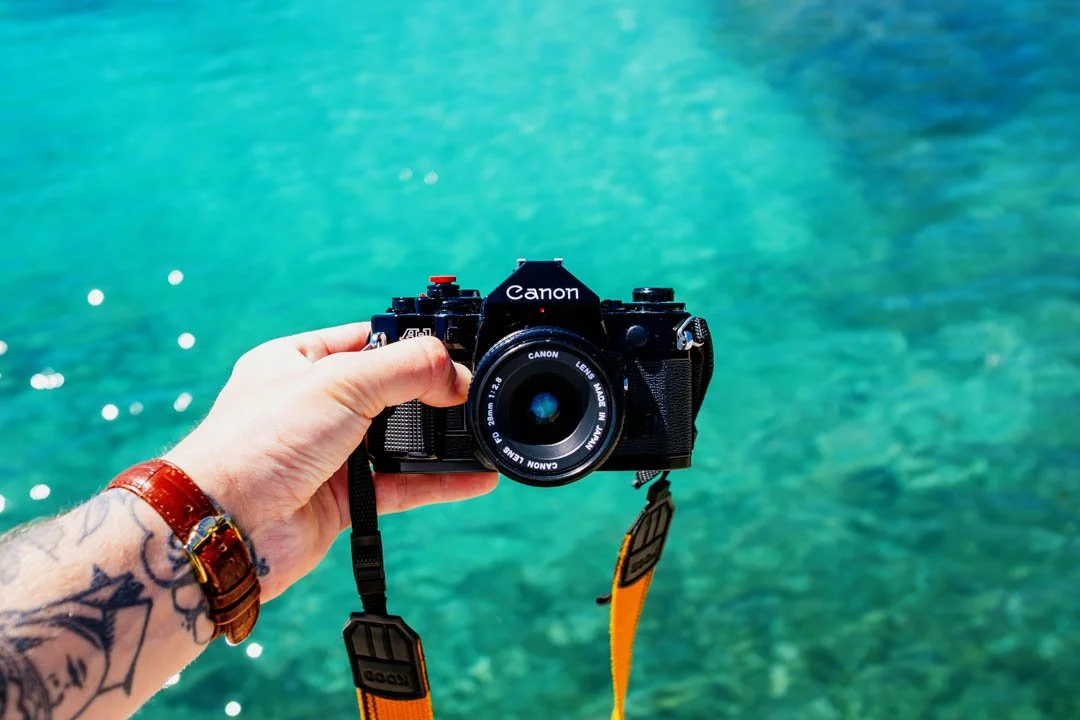
Canon A-1 film camera taken on Fuji X100f
